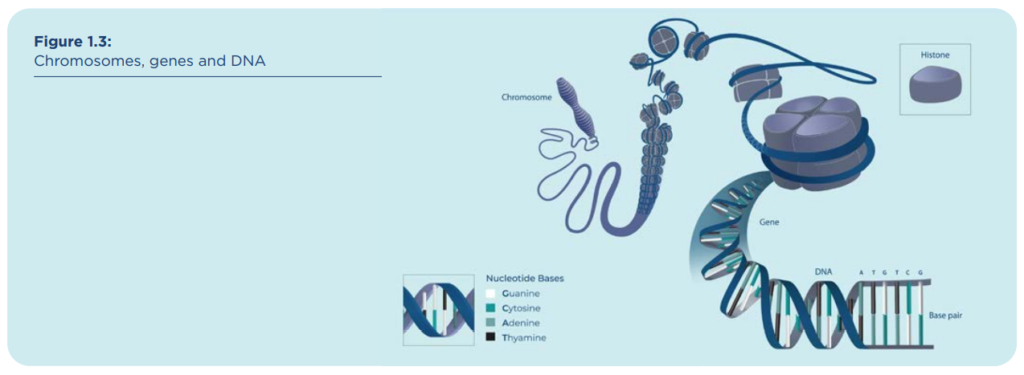
Biodiversity – Genes
This Blog post #4 is entitled: Biodiversity – Genes. It follows our last post #3: “Biodiversity – Species” of this Biodiversity series.
We acknowledge the NSW Health website as the source of the above image, “Figure 3: Chromosomes, DNA and RNA”.
“The Hidden Universe”
This post #4, Biodiversity – Genes, of our Biodiversity blog series is inspired by Chapter 2 of Part One of Alexandre Antonelli’s book, “The Hidden Universe: Adventures in Biodiversity“.
Part One of his book is entitled, “Biodiversity: More Than Meets the Eye’, and his Chapter 2 is entitled, ‘Genes’.
Definitions of Gene
What is a gene?
Oxford English Dictionary
We refer to the definition in the “Concise Oxford English Dictionary“, Edition 12, for the biological sense of the word, ‘gene’:
gene n. a unit of heredity which is transferred from a parent to offspring and is held to determine some characteristic of the offspring; in particular, a distinct sequence of DNA forming part of a chromosome.
Wikipedia
Refering to Wikipedia, the first paragraph of their article entitled “Genetic Diversity” reads as follows:
“Genetic diversity is the total number of genetic characteristics in the genetic makeup of a species. It ranges widely, from the number of species to differences within species, and can be correlated to the span of survival for a species.[1] It is distinguished from genetic variability, which describes the tendency of genetic characteristics to vary.”
For a fuller understanding of genes and their role in diversity, we recommend that you read this Wikipedia article.
United Nations and Biodiversity
The United Nations considers biodiversity to be the Earth’s strongest natural defense against climate change.
Genes
Chapter 2, ‘Genes’, of Part One of Alexandre Antonelli’s book, “The Hidden Universe: Adventures in Biodiversity“, explains the part that genes play in the biodiversity of life on Earth.
He begins by asking what seeds we might need to take with us if we were forced to flee Earth prior to some catastrophic event that destroyed life on the planet.
DNA
He points out that the variation, or diversity, in form, chemistry, and behaviour of a species is linked to the organism’s DNA or genes. He states that “for the vast majority of species” … “we have little clue about how much genetic variation there is”. We don’t know which genetic variations would best withstand environmental changes. He tells us that it is “crucial that we understand how each species” tackles these changes, “including those species on which we depend, such as crops”. He then proceeds to give the example of coffee.
Ecosystems
Antonelli discusses the usefulness of genetic variation in the area of ecosystems. He gives the example of the European ash which has more than 1000 species associated with it, including mammals and lichens. The arrival into Europe in the 1990s of ash dieback disease, caused by a fungus from Asia, is threatening the large numbers of ash trees in Europe and the UK, This is an example of the fragility of ecosystems, and of economic losses, associated with the spread of a disease. Fortunately for the long term future of the ash, genetic research has discovered that 5% of plants are naturally resistant to the fungus.
Success Due to Gene Diversity
Antonelli quotes research done by scientists in the Galápagos where natural variations of the weather affects the ability of finches to find food. Their success is genetically linked to the small differences in the sizes of their beaks. The diversity of the beak sizes have evolved to provide different food niches for the different finches. The relative richness of these various niches are weather or climate dependent.
(Antonelli, Alexandre. The Hidden Universe: Adventures in Biodiversity (p. 49). Ebury Publishing. Kindle Edition.)
Genetic Diversity within Species
Continuing on genetic diversity within species, he discusses the variations in culture, look, language, religion, and traditions within the human species where everyone shares 99.9 % of their coding DNA.
He then quotes the example of a single species of fruit fly which has more than 4% genetic variation despite looking identical to each other.
Genetic Complexity of Life
Antonelli continues to quote example after example, all illustrating the incredible complexity of life on Earth just in terms of genetic diversity.
Cataloguing Diversity in Genetic Material
Much of the richness of life of the Biosphere is due to the species being interrelated and interdependent. As a result, in order to protect and conserve the Earth’s biosphere requires that all the component ecosystems and all the species be catalogued, including the details of the diversity of their genetic material. This project, while extremely important, would require huge investments in research, cataloguing, and storage of genetic material.
Space Ark?
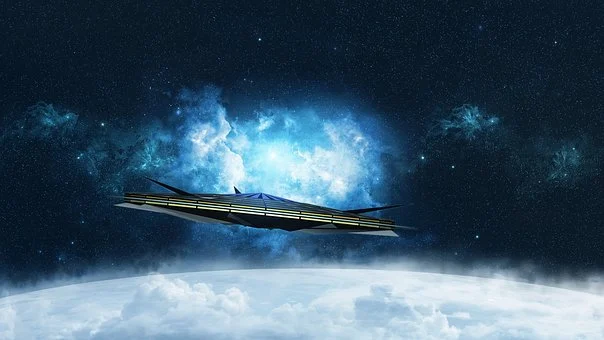
If you think that building a space ark and flying off to another planet is a simple matter, think again.
There would never be enough room in the ark for all the necessary species required to successfully restart life on a desert planet, assuming a suitable one could be found with the necessary ‘goldilocks‘ characteristics to support life from Earth.
Home Sweet Home
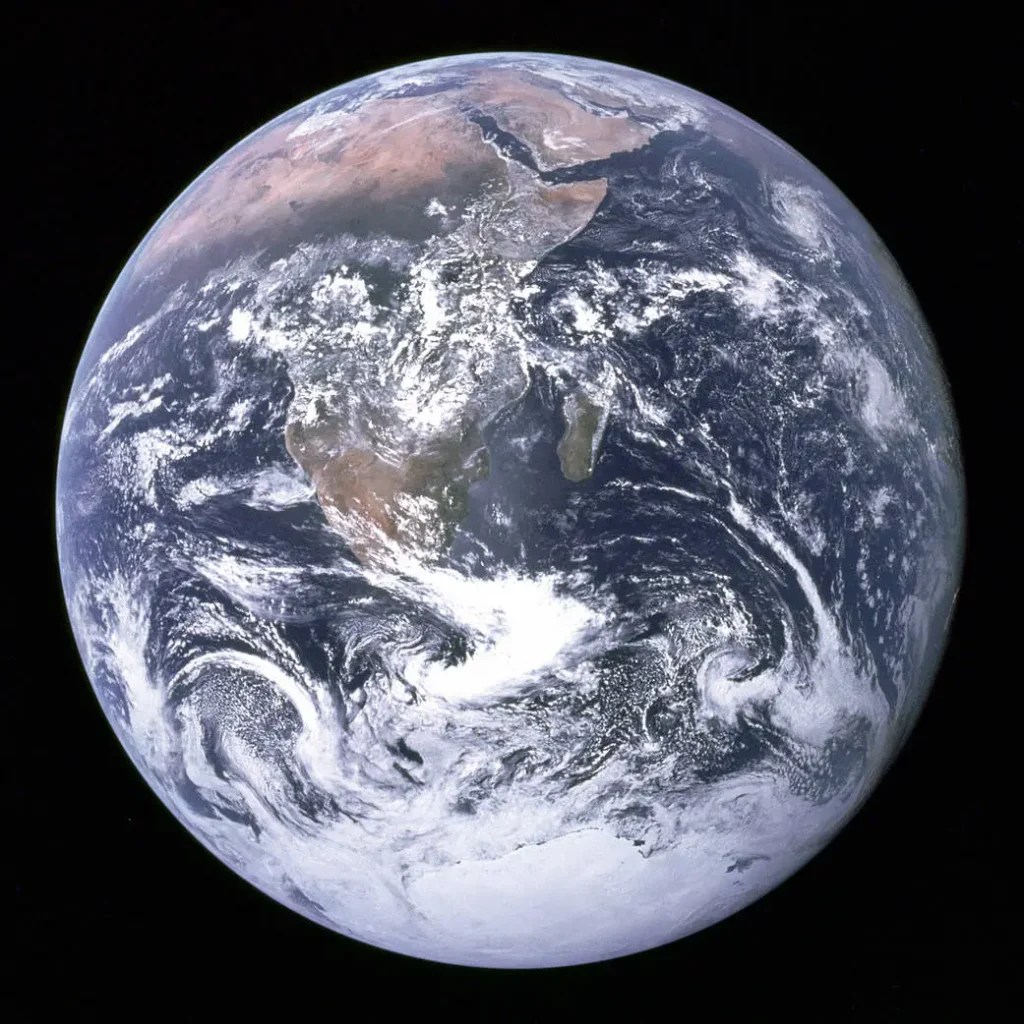
The simplest and most economic solution to the Earth’s problems is to invest in protecting the Earth. It is the best, and possibly the only, home for our planet’s life.
Life on Earth Evolved to Survive on Earth
Earth’s life evolved to live and thrive on Earth, with all this planet’s particular characteristics, including its place in the Solar System and the Milky Way Galaxy.
Biodiversity – Evolution
The next Blog post, #5 of this series, will be entitled: “Biodiversity – Evolution” and will be inspired by chapter 3, “Evolution”, of Antonelli’s book, “The Hidden Universe: Adventures in Biodiversity”.
(Post updated: 19/03/2026.)